Choosing the right bathroom tile comes down to room size, water exposure, budget, and style. Small bathrooms work best with big, light, shiny tiles, they hide grout lines and bounce light around, making the room feel bigger. Cloakrooms can handle bold colours and patterns, since they’re used briefly, not lived in. Family bathrooms need tough, slip-resistant porcelain, while wet rooms need grip everywhere, as water runs across the whole floor. For a luxury feel, natural stone and marble-effect tiles work well, while metro tiles, white tiles, and hexagons never go out of style.
Tile size, colour, and layout all shape how a bathroom feels. Big tiles suit small rooms, mosaics suit shower floors for better grip and drainage. Light colours brighten small spaces, darker shades suit bigger, brighter rooms. Using the same tile on walls and floors removes visual breaks and makes a small room feel bigger.
Waterproofing before tiling stops damp and mould down the line. Wet areas need epoxy grout, standard walls suit regular grout. Tiling a UK bathroom usually costs £500 to £1,500, and while most people hire a professional, small DIY jobs can work if kept simple. Match your tiles to your suite, avoid common mistakes, and clean them regularly to keep your bathroom looking good for years.
What Are the Best Tile Ideas for a Small Bathroom?

The best tiles for a small bathroom are large, light-coloured tiles with a glossy finish. Big tiles cut down on grout lines, so the room looks neater and less broken up. Light colours like white, cream, and pale grey bounce light around instead of soaking it in. A glossy finish adds extra shine, which makes the whole room feel brighter. Put these together and even a tiny bathroom can feel open and airy.

Here are the top tile tricks for small bathrooms:
- Large Format Tiles: Big tiles mean fewer grout lines, so the room looks neater and bigger.
- Light Colours: White, cream, and pale grey tiles bounce light back into the room instead of soaking it up.
- Glossy Finish: Shiny tiles reflect light like a mirror, making the room feel brighter.
- Vertical Stripes: Tiles stacked upward pull your eyes up, making the ceiling feel higher.
- One Feature Wall: Putting large tiles on just one wall keeps the room looking calm, not busy.
- Same Tile, Floor to Wall: Using one tile on the floor and walls removes breaks in the room, so it feels bigger and flows better.
What Should You Consider Before Choosing Bathroom Tiles?

Before choosing bathroom tiles, think about water resistance, slip resistance, room size, and how the room gets used. Bathroom floors and walls get wet all the time, so tiles need to handle moisture without cracking or fading. Floor tiles also need enough grip so nobody slips when the floor’s wet. Room size matters too, because small bathrooms work better with certain tile sizes and colours than large ones do. And a family bathroom used by kids every day needs tougher tiles than a guest loo used once a week.
Here are the main things to check before you pick your tiles:

- Water Resistance: Tiles need a low water absorption rate so they don’t soak up moisture and crack over time.
- Slip Resistance: Floor tiles need a slip rating suited to wet areas, so the floor stays safe when splashed.
- Room Size: Small bathrooms suit large, light tiles, while bigger bathrooms can carry darker colours and bolder patterns.
- Room Usage: A busy family bathroom needs tougher, easy-clean tiles, while a low-traffic bathroom can use more delicate finishes.
- Light Levels: Bathrooms with small windows suit glossy, light tiles, while bright bathrooms can handle matt or dark tiles.
- Budget: Porcelain tiles cost more upfront but last longer, while ceramic tiles cost less but wear faster.
What Are the Best Tile Ideas for an Ensuite?

The best tile ideas for an ensuite are large-format tiles, matching wall-to-floor colours, and a walk-in shower with tiled walls. Ensuites are usually small, so one consistent tile across the floor and walls stops the space feeling broken up or busy. A walk-in shower with tiled walls, rather than a boxed cubicle, also keeps the room feeling open. These choices turn a tight ensuite into a space that feels calm and well-planned.
Here are the top tile ideas for an ensuite:
- Large Format Tiles: Fewer grout lines make the small space feel cleaner and bigger.
- Matching Wall and Floor Tiles: One consistent colour across surfaces removes visual breaks, so the room flows better.
- Walk-In Shower Tiling: Tiling the shower walls the same as the rest of the room keeps the space feeling open, not boxed in.
- Light, Neutral Tones: White, grey, and beige tiles keep the room feeling airy rather than closed in.
- Textured Feature Tiles: A textured or patterned tile on one wall adds interest without overwhelming the small space.
- Underfloor Heating Compatible Tiles: Porcelain tiles work well with underfloor heating, keeping the ensuite warm without needing radiator space.
What Are the Best Tile Ideas for a Downstairs Toilet or Cloakroom?

The best tile ideas for a downstairs toilet or cloakroom are bold patterned tiles, dark colours, and small-format designs. A cloakroom is usually the smallest room in the house, so it can carry a pattern or colour that would feel too much in a larger bathroom. Dark tiles work well here because the room is used briefly, not lived in, so a cosy, dramatic feel suits it better than a bright, airy one. Small-format tiles, like mosaics or metro tiles, also add detail and character to a compact space without overwhelming it.
Here are the top tile ideas for a downstairs toilet or cloakroom:
- Patterned Tiles: Geometric or floral patterns add character to a small, low-traffic room.
- Dark Colours: Navy, black, and forest green tiles create a cosy, dramatic feel suited to a small space.
- Metro Tiles: Small rectangular tiles add classic detail and work well in tight spaces.
- Mosaic Tiles: Tiny tiles in varied colours or textures create a feature wall with real depth.
- Contrasting Grout: Dark grout with light tiles, or light grout with dark tiles, adds definition to the pattern.
- Statement Floor Tiles: A patterned floor tile pairs well with plain walls, adding interest without clutter.
What Are the Best Tile Ideas for a Family Bathroom?

The best tile ideas for a family bathroom are durable porcelain tiles, slip-resistant floors, and easy-clean surfaces. A family bathroom gets used several times a day by both adults and kids, so tiles need to handle heavy footfall, splashing, and regular cleaning without wearing down. Slip resistance matters most on the floor, since wet feet and bath time make the surface slippery more often than in other bathrooms. Easy-clean tiles also save time day to day, as marks, toothpaste, and water spots need to wipe off quickly.

Here are the top tile ideas for a family bathroom:
- Porcelain Tiles: Porcelain resists scratches and water better than ceramic, making it last longer under daily use.
- Slip-Resistant Flooring: Textured or matt floor tiles grip better than glossy ones, reducing the risk of slips.
- Easy-Clean Glazed Tiles: A glazed finish stops dirt and limescale sticking to the surface, so wiping down stays quick.
- Neutral Wall Colours: Grey, white, and beige tiles hide everyday marks better than very dark or very light shades.
- Patterned Floor Tiles: A patterned floor disguises scuffs and small stains better than a plain one.
- Large Tiles with Fewer Grout Lines: Fewer grout lines mean less scrubbing, since grout collects dirt faster than the tile itself.
What Tiles Work Best for a Wet Room?

Porcelain tiles with a high slip resistance rating work best for a wet room. A wet room has no shower tray or screen, so water runs straight across the floor, which means the tiles need strong grip even when fully wet. Porcelain also resists water absorption better than ceramic, so it holds up to constant exposure without damage. Small-format tiles or mosaics work best on the floor too, since more grout lines help the surface drain evenly toward the drain point.
Here are the top tile choices for a wet room:
- Porcelain Tiles: Porcelain absorbs less water than ceramic, so it holds up better under constant moisture.
- Slip-Resistant Floor Tiles: A high slip rating keeps the floor safe to walk on, even when soaking wet.
- Small-Format Mosaic Tiles: Smaller tiles create more grout lines, which helps the floor drain evenly toward the outlet.
- Textured Tiles: A textured surface grips better underfoot than a smooth, glossy one.
- Large-Format Wall Tiles: Big wall tiles reduce grout lines and keep the shower area easy to clean.
- Matching Floor and Wall Tiles: One tile used throughout creates a seamless look and stops the small room feeling broken up.
What Are the Best Tile Ideas for a Luxury or High-End Bathroom?

The best tile ideas for a luxury bathroom are natural stone tiles, large-format marble-effect designs, and metallic or textured feature walls. Natural stone, like marble or travertine, gives a bathroom a high-end look that porcelain alone can’t fully match. Large-format tiles keep the space feeling seamless, which suits a luxury bathroom better than a busy, broken-up pattern. Metallic accents or textured feature walls then add a final touch of detail without overcrowding the design.
Here are the top tile ideas for a luxury bathroom:
- Natural Stone Tiles: Marble, travertine, and limestone add a premium look with natural veining and texture.
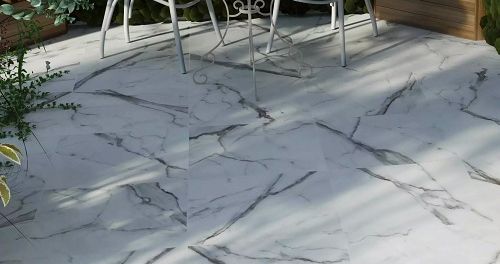
- Large-Format Marble-Effect Tiles: Porcelain tiles with a marble-effect finish give the stone look without the higher maintenance.
- Metallic Accent Tiles: Gold, bronze, or brushed metal tiles add a subtle shine to feature walls or borders.
- Herringbone Layout: A herringbone pattern adds movement and a tailored finish to floors or feature walls.
- Book-Matched Tiles: Book-matched slabs create a mirrored pattern across two tiles, adding a dramatic focal point.
- Textured 3D Tiles: Raised or sculpted tiles add depth and a tactile, high-end finish to a single wall.
What Are the Latest Bathroom Tile Trends?

The latest bathroom tile trends for 2026 are tile drenching, textured zellige-effect tiles, and warm earthy colours like terracotta and sage green. Tile drenching uses one tile across the floor, walls, and shower, which removes visual breaks and makes a bathroom feel seamless. Textured and handmade-effect tiles are replacing flat, uniform finishes, as UK homeowners move toward surfaces with natural variation and depth. Warm tones such as terracotta, sage green, and deep burgundy are also replacing plain white, adding a cosier feel to the room.
Here are the top bathroom tile trends for 2026:
- Tile Drenching: One tile used across floor, walls, and shower creates a continuous, uninterrupted look. This trend transforms bathrooms into seamless retreats by using the same tile across floors, walls and shower areas.
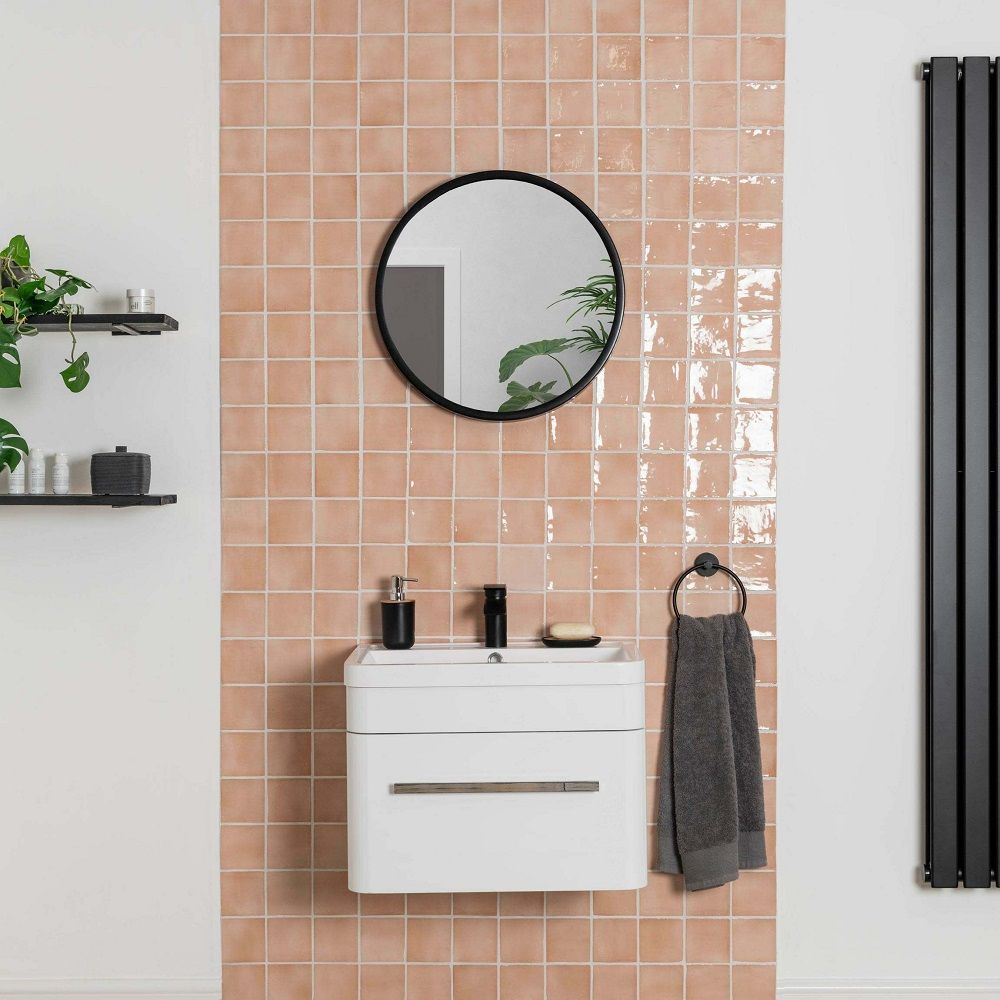
- Zellige-Effect Tiles: Handmade-style tiles with an uneven glaze add depth and character over flat, uniform finishes. Unlike a uniform factory tile, each zellige or handmade-effect tile catches the light differently, creating a surface full of depth and character.
- Warm Earthy Tones: Terracotta, rust, and clay shades are replacing cold white tones. 2026 is moving away from cold, bright white bathrooms, with terracotta, clay, teal, and deeper cocooning shades used to create a calmer atmosphere.
- Sage Green: Soft, muted green tones continue to trend for a calm, restful feel. Sage green remains one of the most popular bathroom tile colours, though the trend has moved from bold statement greens to softer, muted botanical tones.
- Dark, Moody Colours: Charcoal, navy, and matte black tiles add a dramatic, grown-up feel. Deep charcoal, forest green, ink navy, and matte black tiles are now a mainstream choice for UK homeowners wanting a dramatic, grown-up bathroom.
- Fluted Textured Tiles: Ridged, linear tiles add a 3D wall finish with real depth. Fluted tiles offer a multi-dimensional look, with a thin linear shape and a rounded edge.
What Colour Tiles Should You Choose for a Bathroom?

The best bathroom tile colour depends on room size and light levels, with white, grey, and beige suiting small or dark rooms and darker tones suiting larger, well-lit spaces. Light colours reflect more light, making a small or dark bathroom feel bigger and brighter. Darker tones like navy or charcoal create a bold, cosy feel, best suited to larger bathrooms with plenty of natural light. Warm tones such as terracotta and sage green add a calming feel to any size of room.
Here are the main tile colour choices for a bathroom:
- White and Cream: These shades reflect the most light, making small or dark bathrooms feel bigger and brighter.
- Grey and Beige: Neutral tones hide everyday marks well and suit both modern and traditional bathroom styles.
- Navy and Charcoal: Dark shades create a bold, dramatic look, best suited to larger bathrooms with strong lighting.
- Sage Green: A soft, muted green adds a calm, spa-like feel without overwhelming the room.
- Terracotta and Rust: Warm earthy tones bring a cosy, inviting feel, especially in ensuites and smaller spaces.
- Black: Matte black tiles add a striking, high-contrast look, best used sparingly as a feature rather than throughout.
What Tile Patterns and Layouts Work Best in a Bathroom?

Herringbone, metro stack-bond, and large-format grid layouts work best in a bathroom, as each suits a different room size and style. Herringbone adds movement and works well as a feature on floors or a single wall. Metro tiles laid in a stack-bond pattern give a clean, classic look that suits most bathroom styles. Large-format grid layouts, with minimal grout lines, work best in small bathrooms, as they keep the space feeling open rather than broken up.
Here are the main tile patterns and layouts for a bathroom:
- Herringbone: A zigzag pattern that adds movement and works well on floors or a single feature wall.
- Stack-Bond: Tiles lined up directly on top of each other, giving a clean, modern grid look.
- Metro Brick Layout: Rectangular tiles laid in an offset pattern, giving a classic, timeless finish.
- Basketweave: Small tiles arranged to look like a woven pattern, adding texture to floors.
- Vertical Stack: Tiles stacked upward rather than sideways, making the ceiling feel higher.
- Large-Format Grid: Big tiles with minimal grout lines, keeping small bathrooms feeling open and uncluttered.
Should You Use the Same Tile on Walls and Floors?

Using the same tile on walls and floors works well for small bathrooms and wet rooms, as it removes visual breaks and makes the space feel bigger. A single tile carried from floor to wall stops the eye stopping at a border, so the room reads as one continuous space rather than several smaller sections. This approach suits small bathrooms, ensuites, and wet rooms most, since these rooms benefit the most from a seamless, uninterrupted look. Larger bathrooms can still use this trick, but they also have room to mix tiles without the space feeling broken up.
Here are the main reasons to use the same tile on walls and floors:
- Removes Visual Breaks: One tile throughout stops the eye stopping at a border, making the room feel bigger.
- Suits Small Spaces: Ensuites, cloakrooms, and small bathrooms benefit most from this seamless look.
- Works Well in Wet Rooms: A continuous tile suits wet rooms, where floor and wall areas blend into one open space.
- Simplifies the Design: One tile choice reduces decision-making and keeps the whole room looking cohesive.
- Reduces Grout Line Breaks: Matching tiles reduce the number of different grout lines, keeping the surface looking calm.
- Suits Larger Bathrooms Too: Bigger bathrooms can still use one tile throughout, though they have more room to mix finishes.
How Do You Choose the Right Tile Size for a Bathroom?

The right tile size for a bathroom depends on room size, light levels, and tile location, with large-format tiles suiting small bathrooms and small-format tiles suiting shower floors. Large-format tiles, sized 600mm or above, reduce grout line count by up to 60% compared with standard 300mm tiles, making a small bathroom look bigger. Small-format tiles, under 50mm in size, increase grip and drainage on shower floors, due to a higher number of grout lines per square metre. Room size, tile location, and slip resistance requirements determine tile size choice for every bathroom area.
There are 6 tile sizes suited to different bathroom areas, these are:
- Large Format Tiles (600mm+): Large format tiles reduce grout lines in small bathrooms, creating a bigger visual appearance.
- Metro Tiles (300x75mm to 200x100mm): Metro tiles add wall detail while maintaining a classic, uniform tile size.
- Mosaic Tiles (Under 50mm): Mosaic tiles increase slip resistance on shower floors through higher grout line density.
- Medium Tiles (300x300mm to 450x450mm): Medium tiles suit standard bathroom walls and floors across most room sizes.
- Small Feature Tiles (Under 150mm): Small feature tiles create a single accent wall without covering the entire room.
- Extra-Large Slabs (1200mm+): Extra-large slabs create a seamless feature wall in bathrooms above 6 square metres.
How Do You Waterproof a Bathroom Before Tiling?

Waterproofing a bathroom before tiling requires a tanking system, applied across floors, walls, and joints, before tile installation begins. A tanking system creates a watertight barrier that prevents water penetration into subfloors and stud walls beneath the tile surface. Waterproofing membranes cover 4 critical areas: shower enclosures, floor-to-wall junctions, fixture penetrations, and external corners. Waterproofing before tiling prevents structural damage, mould growth, and tile failure within a 10 to 15 year period.
- Prepare the Surface: Preparation removes dust, debris, and loose material from floors and walls before membrane application.
- Apply Primer: Primer application increases membrane adhesion on plasterboard, cement board, and screed surfaces.
- Seal Joints and Corners: Sealing tape covers floor-to-wall junctions, preventing water penetration at structural weak points.
- Apply Waterproofing Membrane: Membrane application, in 2 coats, creates a continuous barrier across the full tiling area.
- Waterproof Around Fixtures: Waterproofing around shower trays, baths, and pipework prevents leaks at fixture penetration points.
- Allow Curing Time: Curing time, ranging from 4 to 24 hours, ensures full membrane hardness before tile installation.
How Much Does It Cost to Tile a Bathroom in the UK?

Tiling a bathroom in the UK costs between £500 and £1,500 for a standard room, including materials and labour. Labour costs range from £25 to £75 per square metre, depending on tile size, pattern complexity, and location. Material costs range from £15 per square metre for basic ceramic tiles to £120 per square metre for natural stone or bespoke mosaic tiles. London and the South East add 20 to 35% to these costs, while Scotland, Wales, and the North East sit 10 to 15% below the national average.
There are 5 main factors that affect bathroom tiling cost, these are:
- Room Size: Larger bathrooms increase total material and labour cost, as both scale with square metreage.
- Tile Material: Ceramic tiles start at £15 per square metre, while porcelain and natural stone exceed £120 per square metre.
- Pattern Complexity: Herringbone and diagonal layouts add 20 to 30% to labour cost compared with a standard grid layout.
- Preparation Work: Uneven floors or walls requiring levelling compound add extra cost before tiling begins.
- Location: Regional labour rates vary by up to 35%, with London and the South East at the higher end.
Should You Tile a Bathroom Yourself or Hire a Professional?

A professional suits most bathroom tiling projects, while DIY suits small, simple areas only. Professional tilers apply correct waterproofing, levelling, and fixture cutting, reducing leak risk and tile failure. DIY tiling suits small splashbacks and single feature walls, where layout stays simple and mistakes cost less to fix. Bathroom floors, wet areas, and full room retiles carry higher failure risk, requiring professional installation.
There are 5 factors that determine tiling method choice, these are:
- Project Size: Small splashbacks suit DIY installation, full bathroom retiles suit professional installation.
- Waterproofing Needs: Wet areas need professional tanking, incorrect waterproofing causes structural damage.
- Tile Type: Large-format and natural stone tiles need specialist tools, professional handling reduces breakage risk.
- Skill Level: Simple grid layouts suit experienced DIYers, herringbone and mosaic patterns need professional precision.
- Time Available: Professional tilers complete a standard bathroom in 2 to 4 days, DIY projects take longer.
How Do You Choose Grout for Bathroom Tiles?

Grout choice for bathroom tiles depends on grout width, colour contrast, and water resistance, with epoxy grout suiting wet areas and cement-based grout suiting standard walls and floors. Grout width determines grout type: joints under 3mm need unsanded grout, while joints above 3mm need sanded grout for strength. Colour contrast affects visual pattern definition, with dark grout on light tiles emphasising layout and light grout on dark tiles softening the pattern. Epoxy grout resists water and stains better than cement-based grout, making it the stronger choice for showers and wet room floors.
There are 5 factors that determine bathroom grout choice, these are:
- Grout Width: Joints under 3mm need unsanded grout, joints above 3mm need sanded grout.
- Water Exposure: Shower areas and wet room floors need epoxy grout, standard walls suit cement-based grout.
- Colour Contrast: Dark grout on light tiles emphasises the pattern, light grout on dark tiles softens it.
- Stain Resistance: Epoxy grout resists staining better than cement-based grout, reducing long-term discolouration.
- Flexibility: Cement-based grout suits rigid surfaces, epoxy grout suits areas with slight movement or vibration.
How Do You Clean and Maintain Bathroom Tiles?

Cleaning bathroom tiles requires daily wiping, weekly grout cleaning, and resealing every 12 to 24 months. Daily wiping removes water spots and soap scum before they harden onto the tile surface. Weekly grout cleaning, using a soft brush and mild cleaner, prevents mould growth in grout lines. Periodic resealing protects natural stone and cement-based grout from water absorption and staining.
There are 5 steps to clean and maintain bathroom tiles, these are:
- Wipe After Use: Wiping removes water spots before they dry and harden on the tile surface.
- Clean Grout Weekly: A soft brush and mild cleaner removes mould and dirt from grout lines.
- Use pH-Neutral Cleaners: Acidic and abrasive cleaners damage natural stone and glazed tile surfaces.
- Reseal Grout Periodically: Resealing every 12 to 24 months protects grout from water absorption and staining.
- Treat Mould Immediately: Mould spreads within days in damp grout, immediate treatment stops further growth.
How Do You Match Tiles to Your Bathroom Suite and Fittings?

Matching tiles to a bathroom suite requires colour coordination, finish consistency, and fixture metal-tone alignment. Tile colour needs to complement the sanitaryware shade, with white and neutral suites suiting most tile colours and coloured suites needing a neutral tile backdrop. Tile finish needs to match the room’s overall style, with matte tiles suiting a minimalist suite and glossy tiles suiting a modern, reflective look. Fixture metal tones, including tap and handle finishes, need to align with tile undertones for a cohesive appearance.
There are 5 factors that determine tile and fitting coordination, these are:
- Sanitaryware Colour: White suites suit any tile colour, coloured suites need a neutral tile backdrop.
- Tile Finish: Matte tiles suit a minimalist suite, glossy tiles suit a modern, reflective style.
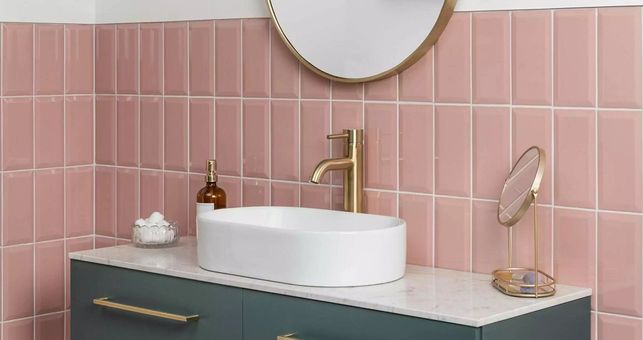
- Fixture Metal Tone: Warm gold or brass fixtures suit warm-toned tiles, cool chrome suits grey or blue tiles.
- Grout Colour: Grout tone needs to match or complement the tile colour, avoiding a mismatched contrast.
- Style Consistency: Traditional suites suit metro or classic patterns, modern suites suit large-format or geometric tiles.
Which Bathroom Tile Mistakes Should You Avoid?

Common bathroom tile mistakes include wrong slip ratings, oversized tiles in small rooms, and skipped waterproofing. Wrong slip rating on floor tiles increases fall risk in wet areas. Oversized tiles in a small bathroom create awkward cuts around fixtures. Skipped waterproofing causes water damage within 1 to 2 years of installation.
There are 6 bathroom tile mistakes to avoid, these are:
- Wrong Slip Rating: Low slip resistance on floor tiles increases fall risk in wet areas.
- Ignoring Room Size: Oversized tiles in a small bathroom create awkward cuts around fixtures.
- Too Many Tile Types: Mixing more than 2 tile styles in one bathroom breaks visual consistency.
- Skipping Waterproofing: Tiling without a tanking system causes water damage within 1 to 2 years.
- Wrong Grout Colour: Mismatched grout colour draws attention to uneven tile lines instead of the tile.
- Poor Layout Planning: Unplanned tile cuts around fixtures create uneven borders and visible offcuts.

Here at Tile Mountain, we not only have a huge range of tiles to suit every purpose, we also have a wealth of tiling knowledge gained from over 30 years in the tile industry, (which we’ll do or best to share with you across these very pages).
Whether you’re looking for the perfect tiles for your next home improvement project, are searching for some style inspiration, or simply need a bit of help and advice, you’re in the right place.