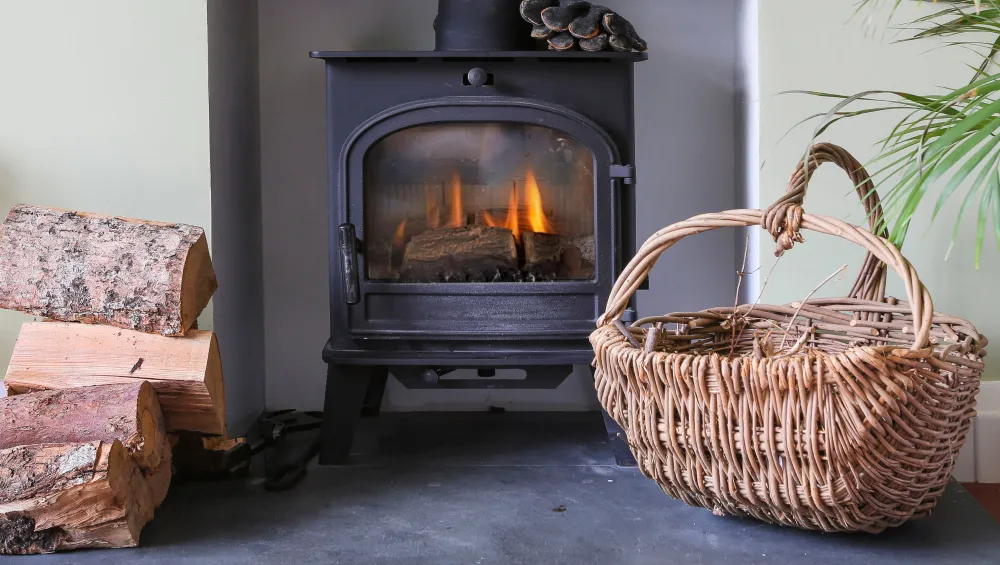
A fireplace is one of the few places in the home where a tile’s looks matter less than what it’s actually rated for. The wrong tile on a hearth risks cracking or discolouring under heat it wasn’t designed to handle, while the right choice, properly installed with a heat-resistant adhesive, can look good and perform well for decades. This guide covers which tile types genuinely suit a fireplace surround and hearth, what to check before you buy, and how to keep the finished tiles clean once they’re in.
Surround vs hearth: why the distinction matters
A fireplace surround, the vertical tiled area around the opening, and the hearth, the horizontal tiled area in front of and sometimes inside the fireplace, have different practical demands even though they’re often tiled to match. The surround needs to tolerate radiant heat but doesn’t take foot traffic or weight, while the hearth needs to be durable enough to handle standing, dropped logs, and the weight of a stove if you have one, on top of tolerating heat. A tile that’s fine on a surround isn’t automatically suitable for a hearth, and it’s worth checking a tile is rated appropriately for the specific location before you buy rather than assuming one product suits both.
What tile types work best for a fireplace
Porcelain is generally the most practical all-round choice for both surround and hearth. It’s dense, low-porosity, and holds up well to the heat cycling a fireplace produces, and it’s available in finishes that mimic natural stone or slate if you want that look without the higher price or maintenance natural stone can involve.

Natural stone, slate, granite, and travertine among the more common choices, brings genuine heat tolerance and a look that porcelain can only approximate, though it typically costs more and needs periodic sealing to stay protected against staining, particularly on a hearth where ash and soot are more likely to sit on the surface.
Quarry tiles are a traditional, heat-tolerant choice that suits a more rustic or period fireplace, dense and unglazed, and commonly used historically on hearths for exactly this reason.

Avoid tiles specifically marked as wall-only, since these are typically a lighter-bodied ceramic not tested or rated for the heat and wear a fireplace surround or hearth puts them through, even if they look similar to a suitable option.
Victorian and period-style tiles

If you’re working on a period property, Victorian-style encaustic and geometric patterned tiles are a natural fit for a traditional fireplace surround, and modern reproductions are generally made in porcelain or ceramic for improved strength and moisture resistance over genuine antique originals. Tile Mountain’s Victorian tiles includes patterned porcelain and ceramic options suited to this style, worth checking against your specific fireplace’s heat exposure before committing, since a decorative patterned tile isn’t automatically the same as a hearth-rated one.
Why the adhesive matters as much as the tile
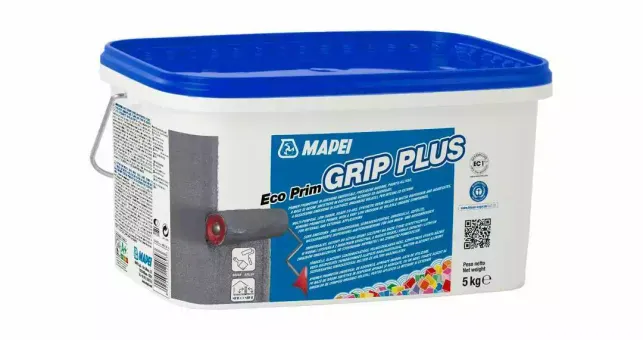
A heat-resistant tile installed with a standard adhesive doesn’t get you a heat-resistant installation. The adhesive bonding the tile to the surround or hearth needs its own heat rating, since a standard adhesive can break down and lose its bond under sustained heat even if the tile itself is unaffected. A product such as Mapei Keraquick, rated for use near heat sources, is the kind of specification worth asking for specifically when you’re buying materials or briefing a tiler for a fireplace job, rather than assuming any adhesive will do because the tile itself is suitable.
A safety note before you start
Fireplace and hearth installations sit close to regulations that vary by fuel type, wood burners in particular often have specific hearth size, thickness, and material requirements set out in building regulations and the appliance manufacturer’s own instructions. Always check the relevant building regulations and your specific appliance manufacturer’s installation requirements before tiling around or under a working fireplace or stove, and consult a qualified installer if you’re at all unsure, since getting this wrong is a genuine safety issue rather than just a cosmetic one.
How to clean fireplace and hearth tiles
Once installed, fireplace tiles need slightly different care to a kitchen or bathroom tile, mainly because of soot, ash, and smoke residue rather than moisture or grease.
For everyday dust and light soot, a dry soft brush or a vacuum with a soft brush attachment removes loose ash and dust without grinding it into the tile’s surface, which a damp cloth can do if used first on a dusty hearth.
For built-up soot and grime on porcelain or ceramic, a dedicated porcelain tile cleaner, such as Tile Mountain’s LTP Porcelain Tile Cleaner, lifts residue effectively without leaving a residue of its own. Apply according to the product’s instructions and avoid an abrasive scourer, which can scratch a glazed or polished surface.
For natural stone hearths and surrounds, use a pH-neutral, stone-safe cleaner rather than a generic tile cleaner, since natural stone can be etched or dulled by an acidic product. A gentle spray-and-wipe cleaner formulated for natural stone is generally sufficient for routine cleaning between deeper cleans.
For stubborn soot staining, particularly on a lighter-coloured tile, a stone-safe intensive cleaner used according to its instructions is a better first step than scrubbing harder with a standard cleaner, and it’s worth testing an inconspicuous area first if you’re not sure how the tile and staining will respond.
Whatever the tile type, let the fireplace cool completely before cleaning, and never clean while the appliance is in use.
Common mistakes to avoid
- Using a wall-only tile on a surround close to the fire opening. These aren’t tested or rated for the heat a working fireplace generates, even where they look similar to a rated alternative.
- Fitting a heat-resistant tile with a standard adhesive. The adhesive needs its own heat rating for the installation to actually perform as intended.
- Skipping the building regulations check for a wood burner installation. Hearth requirements are genuinely a safety matter, not just a design choice, and vary by appliance and fuel type.
- Using an acidic or generic cleaner on a natural stone hearth. This risks etching or dulling the stone, which is a far more expensive problem to fix than the soot it was meant to remove.
- Cleaning a hot or recently used fireplace. Always let it cool completely first, both for safety and because a cleaning product can behave differently on a hot surface.
FAQs
What’s the best tile for a fireplace hearth?
Porcelain is generally the most practical all-round choice for durability and heat tolerance, with natural stone as a premium alternative that needs periodic sealing. Quarry tiles suit a more traditional or period fireplace. Whatever you choose, confirm it’s specifically rated for hearth use rather than wall-only.
Can you use any tile on a fireplace surround?
No. Tiles marked wall-only aren’t tested or rated for the heat exposure a fireplace surround experiences, even if they look suitable. Check that any tile you’re considering is rated for use near a heat source before buying.
Does the adhesive matter for fireplace tiles?
Yes, significantly. A heat-resistant tile fitted with a standard adhesive doesn’t give you a fully heat-resistant installation, since the adhesive itself needs a heat rating to maintain its bond under sustained heat exposure.
How do you clean soot off fireplace tiles?
Remove loose dust and ash first with a dry soft brush or vacuum, then clean with a cleaner matched to your tile type, a dedicated porcelain cleaner for ceramic or porcelain, or a pH-neutral stone-safe cleaner for natural stone. Avoid abrasive pads, which can scratch the surface.
Are Victorian-style tiles suitable for a fireplace?
Many reproduction Victorian tiles are made in porcelain or ceramic, which can suit a fireplace surround, but always check the specific tile’s heat rating for your intended location rather than assuming a decorative or period-style range is automatically hearth-rated.
What building regulations apply to tiling a hearth for a wood burner?
Requirements vary by appliance and fuel type, generally covering hearth size, thickness, and the materials used beneath and around the stove. Check the current building regulations and your specific appliance manufacturer’s installation instructions, and consult a qualified installer if you’re unsure.
In summary
The right fireplace or hearth tile comes down to more than looks: porcelain, natural stone, and quarry tiles are the practical choices, paired with a heat-resistant adhesive and installed in line with your appliance’s building regulations requirements. Once it’s in, cleaning is straightforward provided you match the cleaner to the tile type and let the fireplace cool completely first.
Browse Tile Mountain’s Victorian and natural stone tile ranges to find the right look for your fireplace project.

Here at Tile Mountain, we not only have a huge range of tiles to suit every purpose, we also have a wealth of tiling knowledge gained from over 30 years in the tile industry, (which we’ll do or best to share with you across these very pages).
Whether you’re looking for the perfect tiles for your next home improvement project, are searching for some style inspiration, or simply need a bit of help and advice, you’re in the right place.