For the right situation, yes. It’s one of the cheapest ways to significantly change how a patio slabs look, useful for covering old staining that won’t fully clean off, unifying mismatched slabs, or just refreshing a colour scheme without the cost of new paving. Where it’s less suited is a patio that gets heavy furniture movement, frequent barbecuing, or serious weather exposure, since all three accelerate wear on the painted surface faster than a lightly used patio would see. It’s worth being honest about the maintenance commitment before you start. A painted patio will need touching up periodically, generally showing wear first in high-traffic paths and under furniture legs, rather than staying pristine indefinitely the way the slab material itself would if left bare or sealed instead.
What paint should you use on patio slabs?
A dedicated outdoor masonry or floor paint, specifically formulated for exterior use on stone, concrete, or porcelain paving, is what you want here, not a general-purpose exterior paint meant for walls or fences. These products are built to flex slightly with the slab’s minor thermal movement and to cope with standing water and UV exposure in a way an ordinary masonry wall paint isn’t tested for. Even where a product combines primer and topcoat in one, it’s generally worth applying a separate primer coat first on patio slabs specifically, since a dedicated primer improves adhesion on a surface that takes far more abuse underfoot than a wall does. Follow that with two coats of your chosen paint rather than one, for a finish that wears more evenly as it starts to age.
How to prepare patio slabs before painting
- Clean thoroughly first. Remove dirt, moss, and algae with a stiff brush or a pressure washer on a moderate setting, and let the patio dry completely before doing anything else. Paint applied over algae or a damp surface is one of the most common reasons a patio paint job fails early.
- Test on one slab first. Confirm the colour looks right once it’s dry, since paint colours can shift noticeably once cured compared to how they look wet or on a swatch, and it’s much easier to correct course on one slab than an entire patio.
- Prime the surface. Use a primer suited to outdoor masonry or paving, applied evenly and left to dry fully before you move on to the topcoat.
- Choose your tools for the finish you want. A roller covers a smooth, larger area quickly and evenly, while a smaller brush is better suited to a textured surface or a detailed stencilled pattern where a roller would miss the low points.
- Seal the finished paint. A patio sealer applied once the paint is fully cured protects the finish from weather and foot traffic, and is one of the more effective ways to extend how long the painted surface actually looks good.
A lower-maintenance alternative: sealing instead of painting
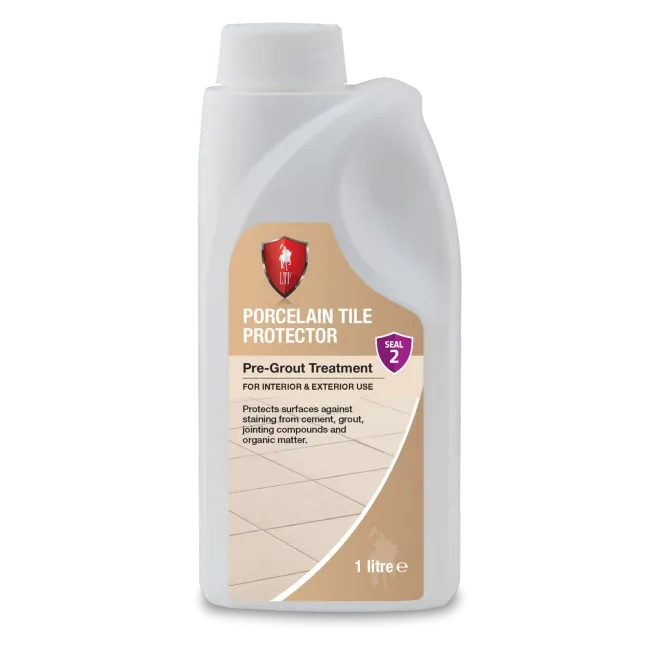
If the idea of repainting every few years doesn’t appeal, sealing the slabs rather than painting them is worth considering, particularly if the patio’s natural colour and texture are still in reasonable condition and the main issue is looking tired or unevenly weathered rather than genuinely mismatched. A product such as Tile Mountain’s LTP Porcelain Tile Protector doesn’t change the slab’s colour the way paint does, but it protects against staining, water ingress, and the organic growth, moss, algae, and black spots, that makes a patio look neglected in the first place, without the ongoing chip-and-touch-up cycle that comes with a painted finish. It’s a genuinely different result to painting, so it suits a patio that needs protecting and refreshing rather than one that needs a colour change or needs to hide staining that’s already set in.
Maintaining a painted patio
Keep a small amount of the paint and any stencils used stored somewhere accessible, since touch-ups are far easier when you’re matching an existing batch rather than trying to colour-match a discontinued product a year or two later. Address chips and worn patches as they appear rather than waiting for a full repaint, since a small touch-up blends in far better than painting over a patio that’s already lost a significant amount of its coating. Avoid dragging furniture across a painted surface where you can, since this is one of the most common sources of localised chipping around seating areas.
Common mistakes to avoid
- Painting over algae, moss, or a damp surface. This is the single most common reason a patio paint job fails early, since the paint has nothing sound to bond to underneath it.
- Skipping the primer because the paint claims to be “self-priming.” A separate primer coat generally gives noticeably better adhesion and longevity on a heavily used outdoor floor surface.
- Not testing the colour on a spare or inconspicuous slab first. Paint colour can look different once fully cured outdoors compared to wet or on a swatch card, and it’s a much smaller fix to catch this on one slab.
- Skipping the sealing step after painting. An unsealed painted surface wears noticeably faster under weather and foot traffic than a sealed one.
- Expecting a painted patio to need no maintenance. Touch-ups are part of the deal with painted paving, and going in with that expectation avoids disappointment a year or two down the line.
FAQs
Can you paint patio slabs?
Yes. A dedicated outdoor masonry or floor paint, properly primed and applied in two coats, can effectively refresh tired, stained, or mismatched paving. It’s not a permanent finish though, and will need occasional touch-ups as it wears with foot traffic and weather.
What’s the best paint for patio slabs?
A paint specifically formulated for exterior masonry, concrete, or paving, rather than a general wall or fence paint, since these are built to flex slightly with the slab and to cope with standing water and UV exposure. Always check the product is rated for the specific paving material you have.
How long does painted patio paint last?
It varies with foot traffic, weather exposure, and how well it was prepared and sealed, but expect visible wear in high-traffic areas within a couple of years rather than a truly permanent finish. Touch-ups extend the life of the overall finish considerably.
Do you need to prime patio slabs before painting?
Generally, yes, even if the paint you’ve chosen claims to combine primer and topcoat. A separate primer coat tends to give noticeably better adhesion on a surface that takes far more wear than a wall, which matters more for how long the finish actually lasts.
Is it better to paint or seal patio slabs?
It depends on what you’re trying to achieve. Painting changes the colour and can hide staining that won’t clean off, but needs ongoing maintenance. Sealing protects the slab’s existing colour and texture against water, staining, and organic growth without changing its appearance, and tends to need less frequent attention.
How do you remove paint from patio slabs if you change your mind?
A dedicated paint stripper suited to masonry, or mechanical removal with a pressure washer and scraper, are the usual routes, though full removal can be labour-intensive depending on how many coats and how long the paint’s been down. It’s worth factoring this into the decision if you’re not confident you’ll want the colour long-term.
In summary
Painting patio slabs is a genuinely effective, affordable way to refresh a tired patio, provided you prepare the surface properly, prime before you paint, and go in accepting it’s a finish that needs occasional touch-ups rather than a one-and-done job. If ongoing maintenance doesn’t appeal, sealing rather than painting protects the slabs without the same repaint cycle. Browse Tile Mountain’s paving sealers if you’d rather protect your patio’s natural finish than commit to a painted one.

Here at Tile Mountain, we not only have a huge range of tiles to suit every purpose, we also have a wealth of tiling knowledge gained from over 30 years in the tile industry, (which we’ll do or best to share with you across these very pages).
Whether you’re looking for the perfect tiles for your next home improvement project, are searching for some style inspiration, or simply need a bit of help and advice, you’re in the right place.