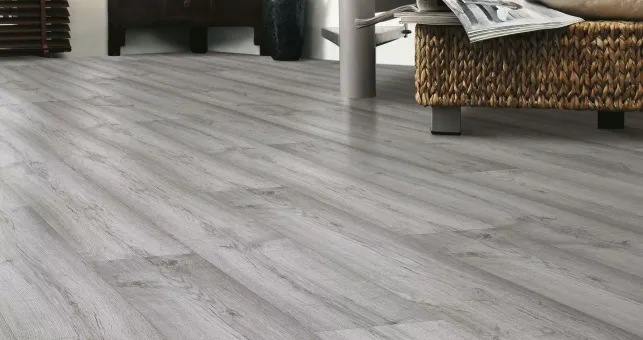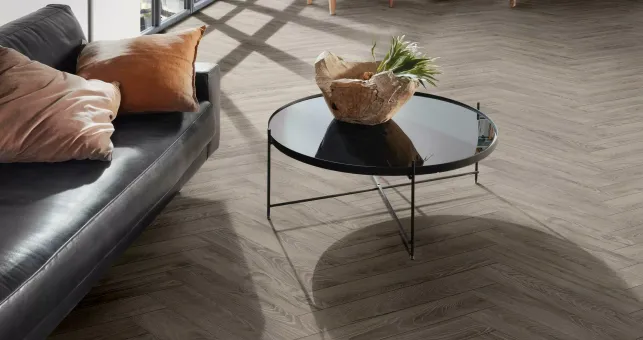
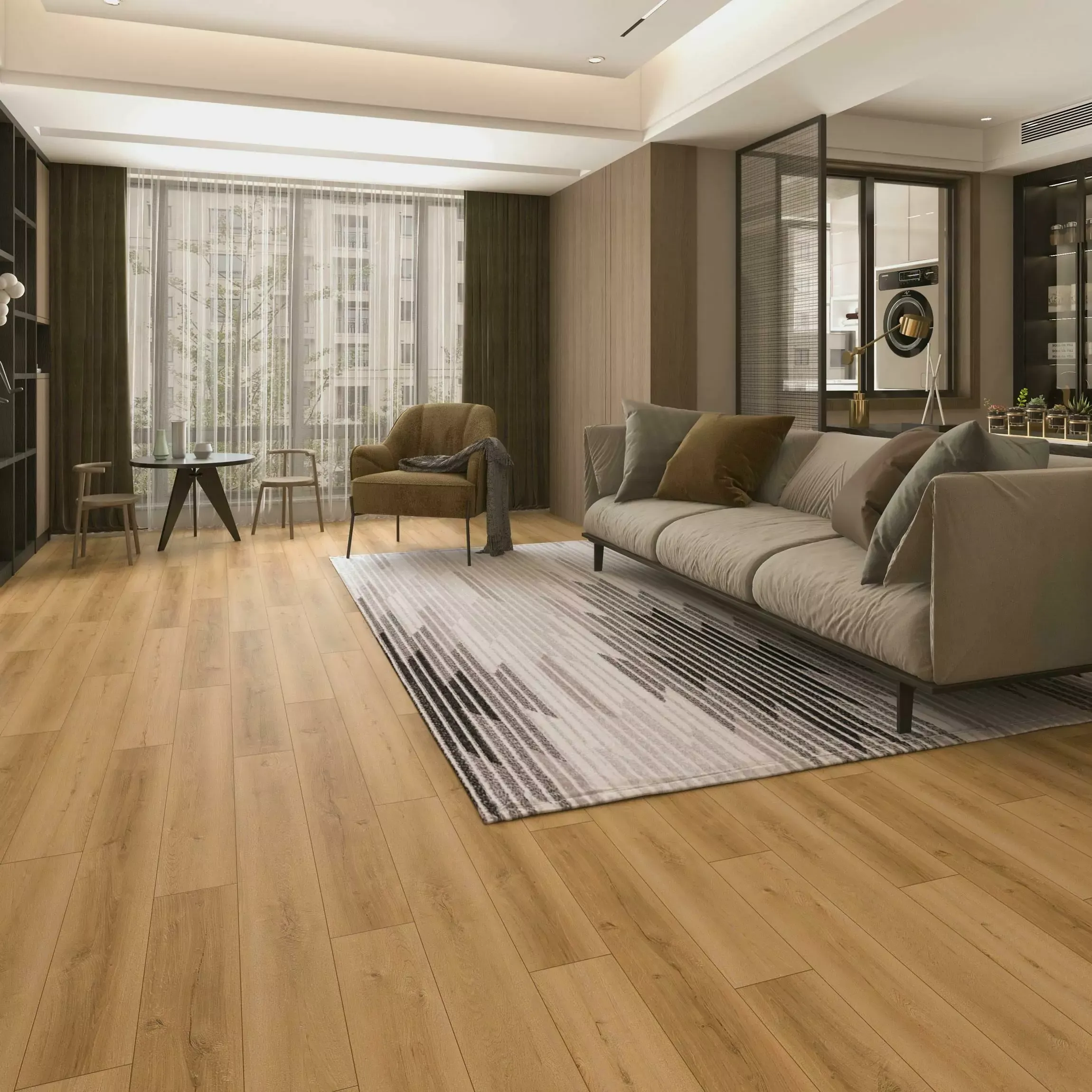
LVT flooring is made up of 4 layers pressed together to create one strong, waterproof tile. Each layer does a different job. The backing layer blocks moisture from below. The core layer gives the tile its strength and thickness. The print layer makes it look like real wood, stone, or ceramic tile. The wear layer on top protects everything underneath from scratches, scuffs, and spills.
The type of core you choose, whether flexible PVC, SPC, or WPC, determines how rigid the floor feels, how it is installed, and which rooms it suits best. Wear layer thickness ranges from 0.2mm to 0.7mm and directly affects how long the floor lasts. This guide explains every LVT flooring layer clearly, so you can pick the right specification for every room in your home.
What Are LVT Flooring Layers?
LVT flooring layers are 4 bonded structural components: the backing layer, core layer, photographic print layer, and wear layer, which give luxury vinyl tile its strength, realistic appearance, and waterproof performance.
The 4 LVT flooring layers are listed below:
- Backing Layer: The bottom layer sits directly on the subfloor and resists moisture rising from below.
- Core Layer: The middle layer, made from PVC, SPC, or WPC, gives LVT its rigidity and fully waterproof structure.
- Photographic Print Layer: A high-resolution digital film that replicates the look of real wood, stone, or ceramic tile.
- Wear Layer: The clear top layer protects the printed design from scratches, scuffs, and stains. Wear layer thickness ranges from 0.2mm to 0.7mm, with 0.3mm or above recommended for busy UK homes.
Why Does LVT Flooring Use Multiple Layers?
LVT flooring uses multiple layers because each layer performs a separate function that a single material cannot deliver alone. The backing resists moisture, the core provides rigidity, the print layer creates a realistic appearance, and the wear layer protects against daily damage. Together, the 4 layers produce a floor that is waterproof, durable, realistic, and comfortable underfoot.
What Are The Main Layers Of LVT Flooring?
LVT flooring consists of 4 main layers: the backing layer, core layer, photographic print layer, and wear layer.
The 4 main LVT flooring layers are listed below:
- Backing Layer: Sits on the subfloor and blocks moisture from rising into the tile.
- Core Layer: Made from PVC, SPC, or WPC, gives LVT its thickness, rigidity, and waterproof performance.
- Photographic Print Layer: A high-resolution digital film that replicates the look of real wood, stone, or ceramic tile.
- Wear Layer: A clear protective coating that shields the printed design from scratches, stains, and scuffs.
What Is The Wear Layer In LVT Flooring?
The wear layer in LVT flooring is the clear, transparent top coating made from polyurethane, reinforced with aluminium oxide, that protects the printed design from scratches, stains, scuffs, and UV fading.
The wear layer is the most performance-critical layer in LVT flooring. Thickness determines how long the floor holds its appearance under foot traffic. A thicker wear layer extends the usable life of the tile significantly in busy rooms.
How Does Wear Layer Thickness Affect Performance?
Wear layer thickness directly determines how resistant LVT flooring is to scratches, scuffs, and surface damage under foot traffic. Thickness is measured in millimetres (mm). The 3 wear layer performance categories for UK homes and commercial spaces are listed below:
- 0.2mm to 0.29mm: Suitable for very low-traffic rooms such as bedrooms.
- 0.3mm to 0.5mm: Recommended for busy domestic rooms including kitchens, hallways, and living rooms.
- 0.55mm to 0.7mm: Specified for commercial environments including retail spaces, offices, and hospitality venues.
What Is The Print Layer In LVT Flooring?
The print layer in LVT flooring is a high-resolution digital film, printed at up to 300 DPI, that gives luxury vinyl tile its realistic appearance of natural wood, stone, or ceramic tile. The print layer sits directly above the core layer and beneath the wear layer, keeping the design permanently protected from surface damage.
How Realistic Is The LVT Print Layer Compared To Natural Materials?
The LVT print layer replicates natural materials with enough accuracy that physical touch is required to distinguish it from real wood or stone.
Modern digital printing technology captures grain direction, knot patterns, colour variation, and surface texture at a resolution of up to 300 DPI. Embossing applied during manufacturing adds physical texture that matches the printed design, making the visual and tactile experience consistent across the tile surface.
The 4 ways the LVT print layer replicates natural materials are listed below:
- Grain and Texture Accuracy: High-definition scanning captures the natural grain of real timber and the surface variation of natural stone at a 1/1000mm scan depth.
- Colour Variation: Digital printing reproduces the tonal shifts, shadows, and highlight patterns found across natural wood planks and stone slabs.
- Embossed Surface Texture: Physical embossing presses realistic surface texture into the wear layer above the print film, matching the visual grain with a tactile feel underfoot.
- Format Variety: LVT print layers reproduce over 50 distinct natural material designs including oak, slate, marble, and travertine, across tile and plank formats.
What Is The Core Layer In LVT Flooring?
The core layer is the thick central layer of LVT flooring, made from PVC, SPC, or WPC, that gives the tile its structural strength, rigidity, and waterproof performance. Core thickness ranges from 2mm to 6mm. A thicker core tolerates minor subfloor imperfections and increases dimensional stability underfoot.
What Are The Different Types Of Core Layers In LVT Flooring?
LVT flooring uses 3 core layer types: flexible PVC, SPC (Stone Plastic Composite), and WPC (Wood Plastic Composite). The 3 LVT core layer types are listed below:
- Flexible PVC Core: Ranges from 2mm to 3mm, requires a perfectly smooth subfloor and full-spread adhesive. Best suited to low-traffic rooms.
- SPC Core: A dense blend of limestone powder and PVC that tolerates subfloor imperfections of up to 3mm per 1.8 metres. Best suited to kitchens, bathrooms, and high-traffic rooms.
- WPC Core: A foamed PVC or wood flour composite that delivers a softer, warmer feel underfoot. Best suited to living rooms and bedrooms.
How Does Core Type Affect LVT Flooring Performance?
Core type determines the rigidity, comfort, installation method, and subfloor tolerance of LVT flooring. The table below shows how each core type performs across key performance categories.
| Performance Factor | Flexible PVC | SPC | WPC |
| Rigidity | Low | High | Medium |
| Underfoot Comfort | Medium | Firm | Soft |
| Sound Absorption | Low | Medium | High |
| Subfloor Tolerance | 0mm | Up to 3mm | Up to 2mm |
| Installation Method | Glue down | Click lock | Click lock |
| Best Room Use | Low traffic rooms | Kitchens, hallways, commercial | Living rooms, bedrooms |
What Is The Backing Layer In LVT Flooring?
The backing layer is the bottom layer of LVT flooring, made from compressed PVC, that sits on the subfloor and blocks moisture from rising into the tile structure. A textured backing surface increases adhesion bond strength in glue-down installations, reducing tile movement after fitting.
What Is An Attached Underlay Layer In LVT Flooring?
An attached underlay layer is a pre-bonded foam or cork pad fixed to the underside of rigid core LVT that adds acoustic insulation and underfoot comfort without a separate underlay product. The 3 benefits of an attached underlay layer are listed below:
- Sound Reduction: Reduces impact sound transmission by up to 19dB, suitable for flats and multi-storey UK properties.
- Underfoot Comfort: Cushions each step and reduces fatigue in rooms where occupants stand for long periods.
- Installation Speed: Removes the separate underlay fitting step, reducing total installation time by approximately 20%.
Do All LVT Floors Include The Same Layer Structure?
No, LVT floors do not all share the same layer structure. The 3 LVT layer structure variations are listed below:
- 4 Layer Structure: Backing layer, core layer, print layer, and wear layer. Found in standard flexible PVC LVT.
- 5 Layer Structure: Attached underlay, backing layer, core layer, print layer, and wear layer. Found in rigid SPC and WPC LVT.
- 6 Layer Structure: Attached underlay, backing layer, core layer, print layer, wear layer, and UV coating. Found in premium commercial grade LVT.
What Is A UV Coating Layer In LVT Flooring?
A UV coating layer is a factory-applied, light-cured urethane finish bonded above the wear layer that increases scratch resistance, stain resistance, and long-term colour stability. UV coating reduces surface micro-scratching by up to 40% compared to uncoated wear layers. Premium LVT products with UV coating carry warranties of 15 to 25 years for UK residential and commercial use.
How Do LVT Flooring Layers Work Together As A System?
LVT flooring layers work as an integrated system where each layer reinforces the performance of the layer above and below it. The backing layer blocks moisture, giving the core a stable base. The core keeps the print layer flat, preventing design distortion. The wear layer seals the print layer from surface damage. The UV coating, where present, extends wear layer life by hardening the surface against daily abrasion.
How Do LVT Layers Affect Durability And Lifespan?
LVT flooring durability is determined by 4 factors: wear layer thickness, core density, UV coating, and installation quality, with a 0.3mm wear layer delivering 10 to 12 years of service in busy UK homes.
Wear Layer Thickness
The wear layer is the clear, protective top coat bonded to the LVT surface. Wear layer thickness directly determines how long the floor holds its appearance under foot traffic. The thicker the wear layer, the longer the floor lasts.
| Wear Layer Thickness | Room Type | Expected Lifespan |
| 0.2mm to 0.29mm | Bedrooms, guest rooms | 5 to 7 years |
| 0.3mm to 0.39mm | Living rooms, dining rooms | 10 to 12 years |
| 0.4mm to 0.5mm | Kitchens, hallways | 12 to 15 years |
| 0.55mm to 0.7mm | Offices, retail, hospitality | 15 to 20 years |
| 0.7mm and above | Hospitals, schools | 20 years and above |
Core Density
Core density determines how well LVT resists denting, movement, and structural wear over time. SPC core LVT is the densest core type, making it the most durable LVT format for busy UK homes and commercial spaces. Flexible PVC core LVT suits low-traffic rooms where structural demands are minimal.
UV Coating
UV coating is a factory-applied, light-cured urethane finish bonded above the wear layer. UV coating reduces surface micro-scratching by up to 40% compared to uncoated wear layers and extends colour stability across the full lifespan of the tile. Premium LVT products with UV coating carry warranties of 15 to 25 years for UK residential and commercial use.
Installation Quality
LVT flooring installed over an uneven, damp, or damaged subfloor warps, shifts, and deteriorates years earlier than correctly installed floors. A stable subfloor with moisture control preserves LVT layer integrity across its full lifespan. Rigid SPC LVT tolerates subfloor imperfections of up to 3mm per 1.8 metres, reducing installation risk in older UK properties with uneven floors.
How Do LVT Layers Impact Waterproof Performance?
LVT flooring is 100% waterproof because every layer, from the PVC backing to the wear layer, repels water without absorbing moisture.
Waterproof Function by LVT Layer
The backing layer blocks rising damp from the subfloor. The PVC or SPC core contains no wood fibre, eliminating swelling or warping on contact with water. The wear layer seals the print layer from surface spills, making LVT suitable for kitchens, bathrooms, and wetrooms across UK properties.
| LVT Layer | Material | Waterproof Function |
| Backing Layer | Compressed PVC | Blocks rising damp from subfloor |
| Core Layer | SPC or WPC | Contains no wood fibre, zero moisture absorption |
| Print Layer | Digital vinyl film | Fully sealed between core and wear layer |
| Wear Layer | Polyurethane | Repels surface spills, stains, and cleaning fluids |
How Do LVT Layers Affect Comfort Underfoot?
LVT flooring comfort underfoot is determined by core type and the presence of an attached underlay layer, with WPC core LVT reducing foot fatigue by up to 25% compared to flexible PVC LVT.
Core Type and Comfort
Core type is the primary determinant of underfoot comfort in LVT flooring. WPC core LVT delivers the softest underfoot feel due to its foamed composite structure. SPC core LVT feels firmer but remains warmer than ceramic or porcelain tile. Flexible PVC LVT delivers a medium underfoot feel, suitable for low-traffic rooms where comfort is a secondary consideration.
Attached Underlay and Comfort
An attached underlay layer adds cushioning that reduces foot fatigue by up to 25% in rooms where occupants stand for extended periods. Attached underlay is pre-bonded to the underside of rigid core SPC and WPC LVT, removing the need for a separate underlay product during installation.
How Do LVT Layers Affect Installation Methods?
LVT layer configuration directly determines the installation method, subfloor tolerance, and acclimatisation period required.
Flexible PVC LVT Installation
Flexible PVC LVT requires full-spread adhesive glue-down installation on a perfectly smooth, level subfloor. Zero subfloor imperfection tolerance means full subfloor preparation is essential before fitting. Acclimatisation of 24 to 48 hours is required before installation in UK room conditions.
Rigid SPC and WPC LVT Installation
Rigid SPC and WPC LVT use floating click-lock installation with no adhesive required. SPC LVT tolerates subfloor imperfections of up to 3mm per 1.8 metres, reducing preparation time in older UK properties. Both rigid core formats require 48 hours of acclimatisation before fitting.
| LVT Type | Installation Method | Subfloor Tolerance | Acclimatisation Period |
| Flexible PVC | Full-spread glue down | 0mm | 24 to 48 hours |
| Rigid SPC | Floating click-lock | Up to 3mm | 48 hours |
| Rigid WPC | Floating click-lock | Up to 2mm | 48 hours |
How Do LVT Layers Compare To Laminate Flooring Layers?

LVT flooring layers and laminate flooring layers share a similar 4-layer structure but differ in core material, waterproof performance, and wear layer composition, with LVT outperforming laminate in wet rooms and high-traffic areas.
Core Material Difference
The core layer is the most significant difference between LVT and laminate flooring. LVT uses a PVC, SPC, or WPC core that contains no wood fibre, making every layer 100% waterproof. Laminate flooring uses a high-density fibreboard core that absorbs moisture, swells, and warps, making laminate unsuitable for kitchens and bathrooms in UK homes.
Wear Layer Difference
LVT uses a polyurethane wear layer reinforced with aluminium oxide. Laminate uses an aluminium oxide overlay bonded directly to a paper print layer. The LVT wear layer outperforms laminate overlay in wet conditions and high-traffic rooms, delivering a longer surface lifespan at equivalent thickness.
| Layer | LVT Flooring | Laminate Flooring |
| Top Layer | Polyurethane wear layer | Aluminium oxide overlay |
| Print Layer | High-resolution digital vinyl film | High-resolution paper film |
| Core Layer | PVC, SPC, or WPC | High-density fibreboard (HDF) |
| Backing Layer | Compressed PVC | Melamine resin backing |
| Waterproof | 100% waterproof | Not waterproof |
| Subfloor Tolerance | Up to 3mm | 0mm |
| Lifespan | 10 to 25 years | 8 to 15 years |
| Cost Per m2 (UK Average) | £15 to £40 | £10 to £25 |
| Suitable for Bathrooms and Kitchens | Yes | No |
How Do LVT Layers Compare To Engineered Wood Flooring Layers?

LVT flooring layers and engineered wood flooring layers differ in core material, moisture resistance, and surface authenticity, with LVT delivering superior waterproof performance and engineered wood delivering a genuine timber surface.
Surface Layer Difference
Engineered wood uses a real hardwood veneer of 2mm to 6mm as its top layer, delivering a genuine timber surface that can be sanded and refinished up to 3 times. LVT uses a polyurethane wear layer above a digital print film. LVT cannot be sanded or refinished but delivers full waterproof performance that engineered wood cannot match.
Cost and Value Difference
LVT flooring costs between £15 and £40 per m2 in the UK. Engineered wood flooring costs between £35 and £80 per m2. LVT delivers waterproof performance, lower installation cost, and longer maintenance-free service in wet rooms, making it the preferred specification for UK kitchens, bathrooms, and high-traffic hallways.
| Layer | LVT Flooring | Engineered Wood Flooring |
| Top Layer | Polyurethane wear layer | Real hardwood veneer (2mm to 6mm) |
| Print Layer | Digital vinyl film | No print layer, real wood surface |
| Core Layer | PVC, SPC, or WPC | Cross-ply plywood or HDF |
| Backing Layer | Compressed PVC | Hardwood or softwood backing ply |
| Waterproof | 100% waterproof | Water resistant only |
| Sanding and Refinishing | Not possible | Up to 3 times |
| Cost Per m2 (UK Average) | £15 to £40 | £35 to £80 |
| Suitable for Bathrooms and Kitchens | Yes | No |
| Lifespan | 10 to 25 years | 15 to 30 years |
What Thickness Should LVT Flooring Layers Be?
Total LVT flooring thickness ranges from 4mm to 8mm, with 5mm to 6mm recommended for most UK domestic rooms and 6mm to 8mm for commercial spaces.
Thickness by Room Type
Room type and traffic level determine the correct total thickness and wear layer specification. Bedrooms and low-traffic rooms suit thinner 4mm to 5mm LVT. Kitchens, hallways, and commercial spaces require a minimum of 6mm total thickness with a wear layer of at least 0.5mm to maintain surface integrity under sustained daily traffic.
| Room Type | Total Thickness | Wear Layer Thickness | Recommended Core Type |
| Bedrooms and Guest Rooms | 4mm to 5mm | 0.2mm to 0.3mm | Flexible PVC or WPC |
| Living Rooms and Dining Rooms | 5mm to 6mm | 0.3mm to 0.5mm | WPC |
| Kitchens and Hallways | 6mm | Minimum 0.5mm | SPC |
| Bathrooms and Wetrooms | 5mm to 6mm | Minimum 0.3mm | SPC |
| Commercial Spaces | 6mm to 8mm | 0.55mm to 0.7mm | SPC |
How Can You Identify High-Quality LVT Flooring Layers?
High-quality LVT flooring layers have a wear layer of 0.3mm or above, a dense SPC or WPC core, a high-resolution print layer, and carry FloorScore, REACH, and CE certification marks.
Wear Layer Thickness
The wear layer is the clearest quality signal in any LVT product. A wear layer of 0.3mm or above suits busy UK homes. A wear layer of 0.55mm or above suits commercial spaces. Any product without a stated wear layer thickness measurement is worth avoiding.
Core Construction
Press down on the tile with your hand. A good quality LVT core feels solid and dense with no flex or bounce. Tap the surface. A dense SPC core produces a firm, solid sound. A thin, low-quality core bends easily and feels hollow underfoot.
Print Layer Clarity
Walk through any flooring showroom and look at the tiles laid out on the floor. A good print layer shows different grain patterns, colour variations, and textures across each tile. A poor print layer repeats the exact same pattern on every tile, making the finished floor look fake and unnatural.
Certifications to Look For
Three certifications confirm LVT quality for UK buyers:
- FloorScore: Confirms low indoor chemical emissions, safe for homes and commercial spaces.
- REACH Compliance: Confirms no harmful chemicals including phthalates in any layer.
- CE Marking: Confirms the product meets UK and European construction safety standards.
What Common Problems Occur With Poor LVT Layer Construction?
Poor LVT layer construction causes 5 common problems: surface scratching, joint separation, print fading, moisture ingress, and subfloor telegraphing.
Surface Scratching
A wear layer thinner than 0.2mm scratches within months of normal use. Think of the wear layer like the screen protector on a phone. A thin one scratches easily and quickly. A thick one takes much more daily punishment before showing any damage.
Joint Separation
Poor quality click-lock cores gap at the joints when rooms heat up or cool down. This happens most often in rooms with underfloor heating where temperature changes throughout the day. Gaps between tiles let moisture in and create uneven edges that catch underfoot.
Print Layer Fading
Low-resolution print layers fade and discolour within 3 to 5 years in sunny rooms. Without UV coating above the wear layer, direct sunlight bleaches the printed design, leaving pale, washed-out patches across south-facing UK rooms.
Moisture Ingress
A poor quality backing layer lets moisture rise from the subfloor up into the tile. This is a common problem in UK homes with concrete subfloors and no damp proof membrane, causing tiles to lift, bubble, and separate from the subfloor over time.
Subfloor Telegraphing
Thin LVT cores below 3mm show every bump and dip in the subfloor through the finished surface. Lumps and ridges from the subfloor push through the tile, creating an uneven surface that looks poor and wears unevenly under foot traffic.
What Common Problems Occur With Poor LVT Layer Construction?
Poor LVT layer construction causes 5 common problems: surface scratching, joint separation, print fading, moisture ingress, and subfloor telegraphing.
Surface Scratching
A wear layer thinner than 0.2mm scratches within months of normal use. Think of the wear layer like the screen protector on a phone. A thin one scratches easily and quickly. A thick one takes much more daily punishment before showing any damage.
Joint Separation
Poor quality click-lock cores gap at the joints when rooms heat up or cool down. This happens most often in rooms with underfloor heating where temperature changes throughout the day. Gaps between tiles let moisture in and create uneven edges that catch underfoot.
Print Layer Fading
Low-resolution print layers fade and discolour within 3 to 5 years in sunny rooms. Without UV coating above the wear layer, direct sunlight bleaches the printed design, leaving pale, washed-out patches across south-facing UK rooms.
Moisture Ingress
A poor quality backing layer lets moisture rise from the subfloor up into the tile. This is a common problem in UK homes with concrete subfloors and no damp proof membrane, causing tiles to lift, bubble, and separate from the subfloor over time.
Subfloor Telegraphing
Thin LVT cores below 3mm show every bump and dip in the subfloor through the finished surface. Lumps and ridges from the subfloor push through the tile, creating an uneven surface that looks poor and wears unevenly under foot traffic.
Are LVT Flooring Layers Environmentally Friendly?
LVT flooring layers are partially environmentally friendly. Modern SPC and WPC constructions meet low-VOC and phthalate-free standards, though PVC production remains a carbon-intensive process.
Low-VOC and Phthalate-Free Construction
Modern LVT manufactured to FloorScore and REACH standards emits VOC levels below 0.5mg per m2 per hour, meeting UK indoor air quality guidelines. Calcium-zinc stabilisers replace lead-based compounds in compliant products, making the full layer structure safer for UK homes and commercial spaces.
Recyclability
LVT flooring is recyclable back into the base PVC compounds used to make new tiles. Several UK manufacturers run take-back schemes that turn old LVT into new core layer material, reducing the amount of virgin PVC needed in production.
PVC Manufacturing Impact
PVC production uses carbon-intensive raw materials, giving LVT a higher embodied carbon value per m2 than natural stone or timber at the point of manufacture. A product lifespan of 15 to 25 years spreads this carbon cost over a longer period, reducing the lifetime environmental impact per year of use.
Can LVT Flooring Layers Be Repaired Or Replaced?
Individual LVT tiles are replaceable without lifting the entire floor, making repairs straightforward in click-lock constructions and more involved in glue-down installations.
Click-Lock LVT Repair
Click-lock SPC and WPC tiles are removed by disassembling the click joint from the nearest wall edge back to the damaged tile. Replacement tiles must match the original batch number and wear layer specification to keep colour and texture consistent across the repaired area.
Glue-Down LVT Repair
Glue-down flexible PVC tiles are removed using a heat gun to soften the adhesive beneath the backing layer. Care is needed to avoid damaging surrounding tiles during removal. New adhesive must match the original product specification to maintain a consistent bond across the full backing layer surface.
Wear Layer Repair
Light scratches on the wear layer surface are treated with colour-matched LVT repair kits. Deep scratches that reach through the wear layer to the print layer below require full tile replacement. Surface filler compounds cannot restore a damaged print layer once the wear layer is fully breached.
What Innovations Are Emerging In LVT Flooring Layer Technology?
4 innovations are emerging in LVT flooring layer technology: enhanced rigid core formulations, antimicrobial wear layers, digitally registered embossing, and recycled content core construction.
Enhanced Rigid Core Formulations
Next-generation SPC cores blend limestone powder with recycled PVC at higher densities than standard SPC. These enhanced cores tolerate subfloor imperfections of up to 5mm per 1.8 metres, reducing the amount of subfloor preparation needed in older UK properties.
Antimicrobial Wear Layers
Antimicrobial additives embedded into polyurethane wear layers reduce surface bacteria by up to 99.9% in laboratory testing. These wear layers are specified in UK healthcare, education, and food preparation spaces where hygiene standards go beyond standard cleaning routines.
Digitally Registered Embossing
New embossing technology aligns the physical surface texture of the tile in exact registration with the printed grain pattern beneath the wear layer. Earlier LVT generations had a visible mismatch between the visual grain and the physical texture. Registered embossing eliminates this mismatch entirely.
Recycled Content Core Construction
Leading UK manufacturers now incorporate up to 30% post-consumer recycled PVC into SPC and WPC core layers without reducing structural performance. Recycled content cores support UK construction projects targeting BREEAM and LEED environmental certification credits.
Which Type Of LVT Layer Structure Is Best For Each Room?
The best LVT layer structure for each room depends on traffic level, moisture exposure, acoustic requirements, and subfloor condition.
Kitchen and Bathroom
SPC core LVT with a 5-layer structure and a minimum 0.5mm wear layer suits kitchens and bathrooms best. The dense core resists moisture at subfloor level and handles the temperature changes produced by underfloor heating systems common in UK kitchens and bathrooms.
Living Room and Dining Room
WPC core LVT with a 5-layer structure and pre-attached underlay suits living rooms and dining rooms. The foamed composite core feels softer and warmer underfoot, and the attached underlay provides acoustic performance for first-floor rooms in UK homes.
Hallway and Landing
SPC core LVT with a minimum 0.55mm wear layer suits hallways and landings. Hallways take the highest daily foot traffic of any room in a UK home, requiring the densest core and thickest wear layer to hold up across the full warranty period.
Bedroom
Flexible PVC or WPC core LVT with a 0.2mm to 0.3mm wear layer suits bedrooms. Low traffic reduces wear layer demands, and WPC core construction delivers the warmest, softest feel for a room used barefoot every day.
Commercial Spaces
SPC core LVT with a 6-layer structure, UV coating, and a minimum 0.7mm wear layer suits UK commercial spaces, including retail, hospitality, healthcare, and education environments.
What Should You Consider Before Choosing LVT Flooring Based On Its Layers?
5 factors determine the correct LVT layer specification: room traffic level, moisture exposure, subfloor condition, acoustic requirements, and total budget per m2.
Room Traffic Level
Traffic level sets the minimum wear layer thickness needed. Bedrooms need 0.2mm to 0.3mm. Kitchens and hallways need at least 0.5mm. Commercial spaces need 0.55mm to 0.7mm. Choosing a wear layer below the minimum for the intended traffic level shortens floor lifespan and voids most manufacturer warranties.
Moisture Exposure
Kitchens, bathrooms, and utility rooms need SPC core LVT with a fully waterproof 5-layer structure. Flexible PVC LVT is not suited to rooms with regular moisture exposure due to the risk of moisture working through the joints under sustained wet conditions.
Subfloor Condition
A perfectly smooth subfloor accepts all 3 core types. Subfloors with imperfections up to 3mm per 1.8 metres need rigid SPC core LVT. Subfloors with imperfections beyond 3mm need levelling compound applied before any LVT type is installed.
Acoustic Requirements
Multi-storey UK properties and flats need LVT with a minimum 14dB impact sound reduction to meet building regulation acoustic guidance. WPC core LVT with pre-attached underlay delivering up to 19dB suits upper floor rooms in UK flats and terraced houses.
Budget per m²
LVT flooring costs between £15 and £40 per m2 across the UK market. Higher cost products carry thicker wear layers, denser cores, and longer warranties. Choosing the cheapest option without checking wear layer thickness and core type risks early floor failure and full replacement cost within 3 to 5 years in an active UK household.
Conclusion:
Every layer in LVT flooring has a job to do. Get the layer specification right and the floor looks great, stays waterproof, and lasts for years. Get it wrong and you end up with scratches, gaps, fading, and an early replacement bill. For busy kitchens, bathrooms, and hallways, choose SPC core LVT with a wear layer of at least 0.5mm. For living rooms and bedrooms, WPC core LVT with pre-attached underlay gives the softest, warmest feel underfoot. For commercial spaces, go for a 6-layer SPC construction with a 0.7mm wear layer and UV coating. At Tile Mountain, our LVT flooring range covers every layer type, core construction, and thickness, giving UK buyers the right floor for every room and every budget.