Splashback Tiles FAQs
Are Splashback Tiles Good Choice For Kitchens?
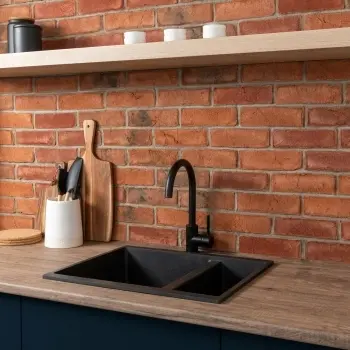
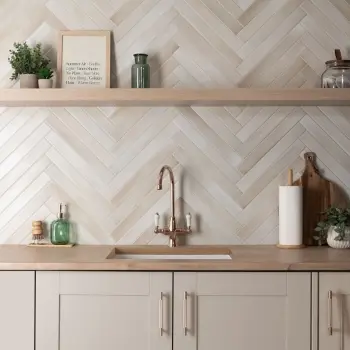
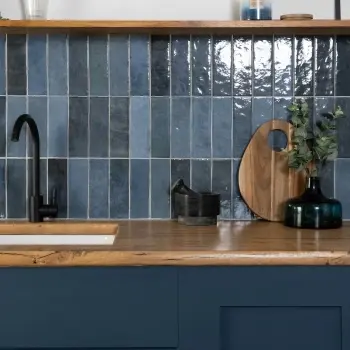
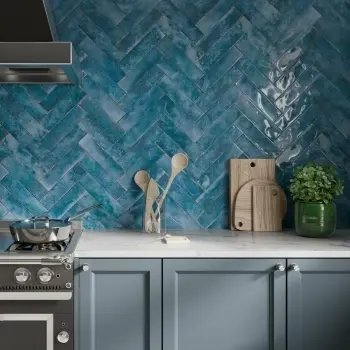
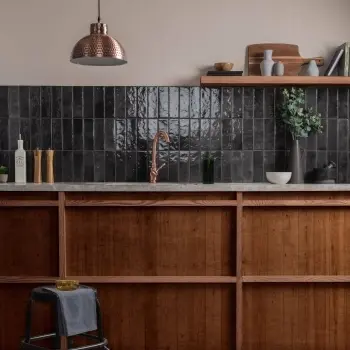
Absolutely. Splashback tiles protect walls from grease, water splashes and cooking heat while adding colour and texture above worktops and hobs. Glazed ceramic and porcelain finishes deliver durability, hygiene and simple maintenance, making splashback tiles a practical long-term kitchen wall solution.
What Tile Size Creates The best Splashback Look?
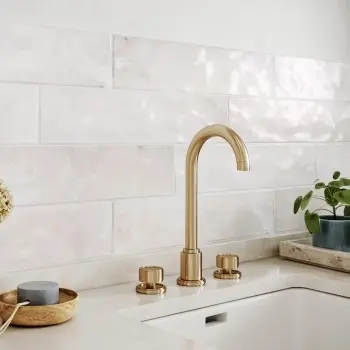
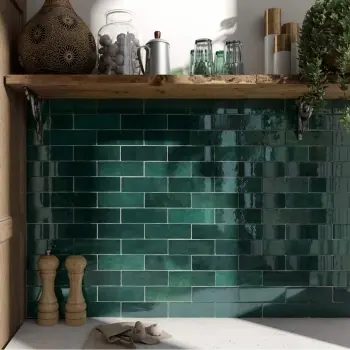
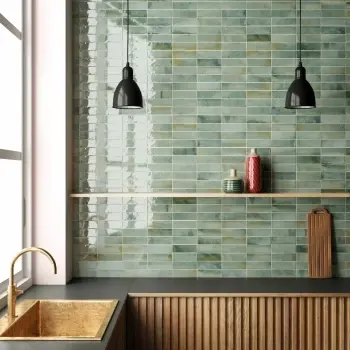
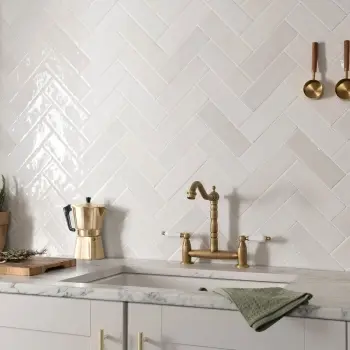
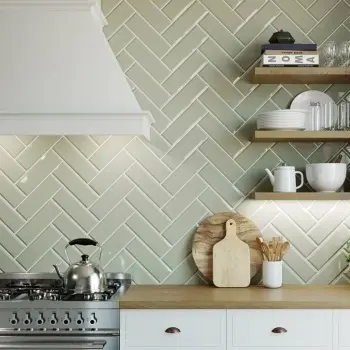
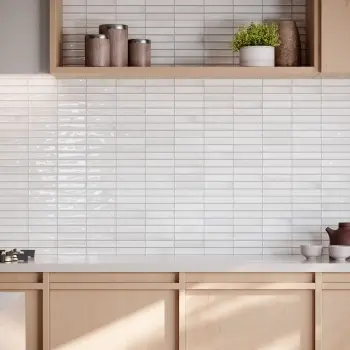
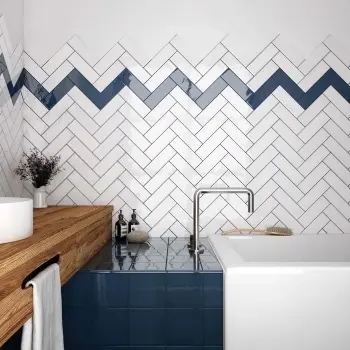
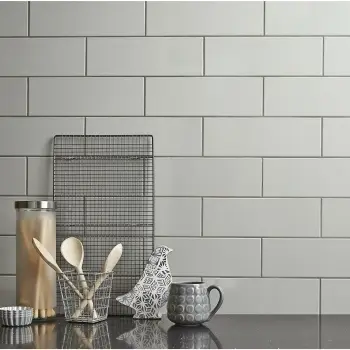
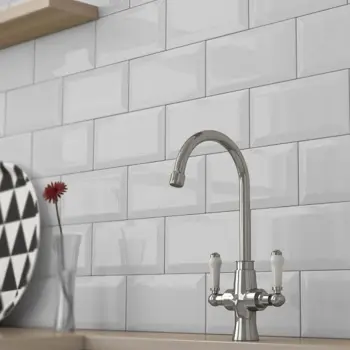
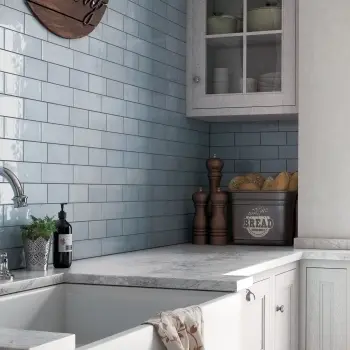
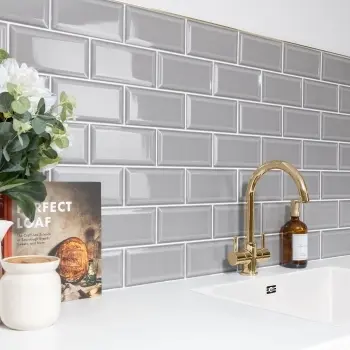
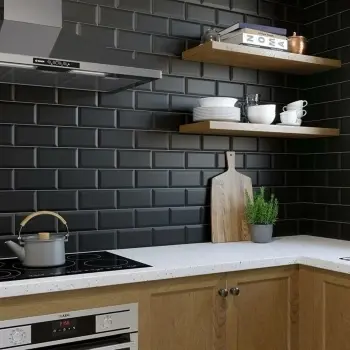
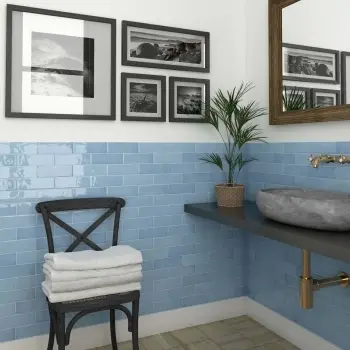
Metro tiles offer a timeless brick layout, while large rectangular formats deliver a seamless, modern appearance with fewer grout joints. Patterned small tiles create feature areas, whereas wider formats emphasise clean lines and balance.
Which Splashback Tiles Resist Water And Staining?
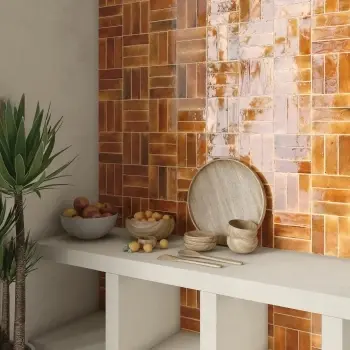
Glazed ceramic, porcelain and glass splashback tiles provide strong moisture resistance and surface protection. Proper grout installation and optional grout sealing further improve long-term stain resistance in splash-prone areas.
What Are The Best Tiles For Splashbacks?
Porcelain and ceramic tiles rank among the best choices for splashbacks due to low water absorption, durable glazed surfaces and strong resistance to staining and heat. Glass tiles offer a sleek, reflective finish that enhances light in compact kitchens. Natural stone creates texture and character but requires sealing and ongoing maintenance. Large-format tiles reduce grout lines, while metro tiles deliver a timeless, structured layout.
What is the Kitchen Splashback Tiles Trend For 2026?
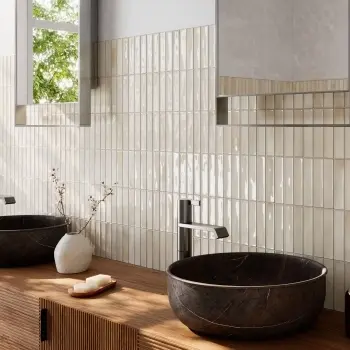
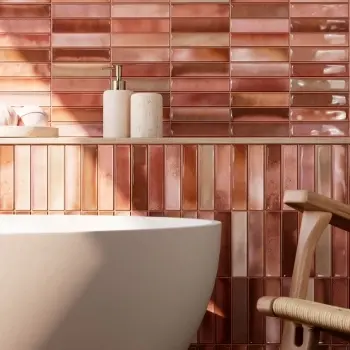
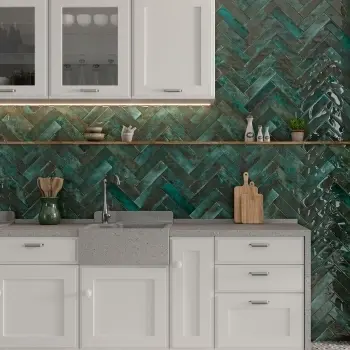
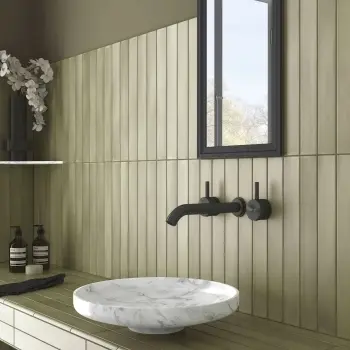
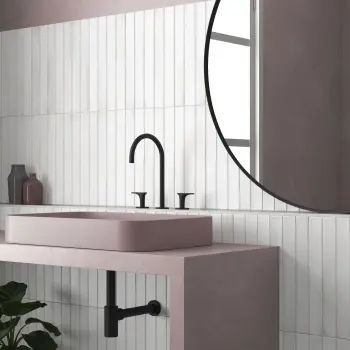
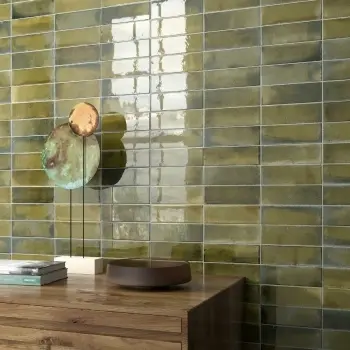
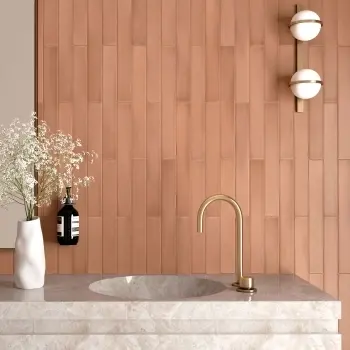
Kitchen backsplash trends in 2026 focus on large-format porcelain tiles, textured surfaces and natural stone-effect finishes that create seamless, low-grout designs. Warm neutral tones such as beige, clay and soft taupe replace cooler greys. Fluted textures, handcrafted-style ceramics and full-height splashbacks extending to ceiling level gain popularity, delivering depth, visual continuity and a premium architectural appearance in modern kitchen spaces.
Can I Use Kitchen Splashback Tiles In The Bathroom?
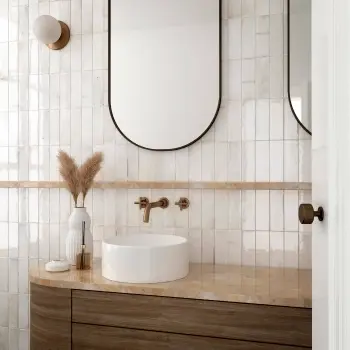
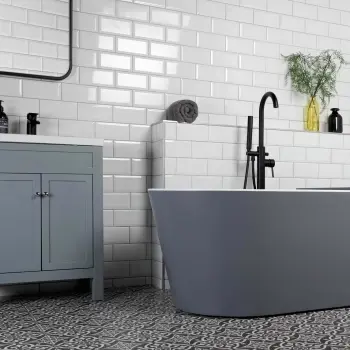
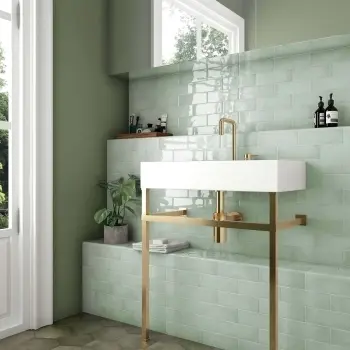
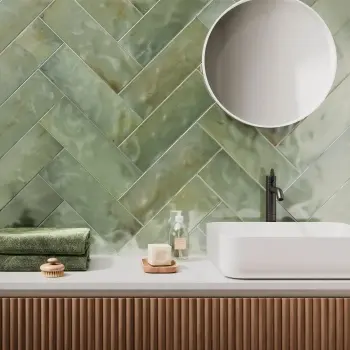
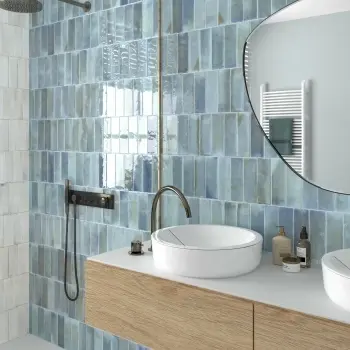
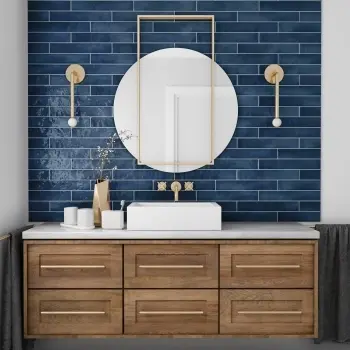
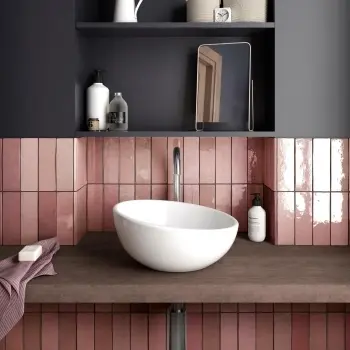
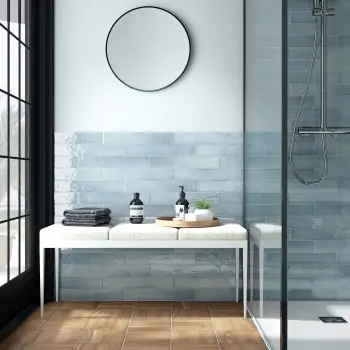
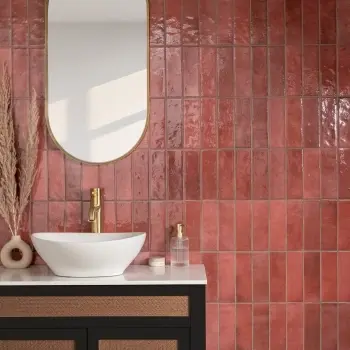
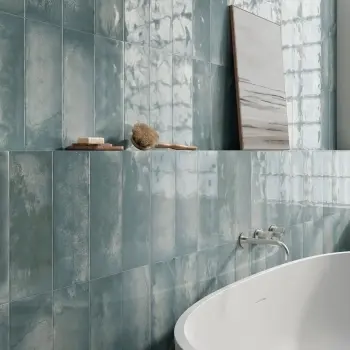
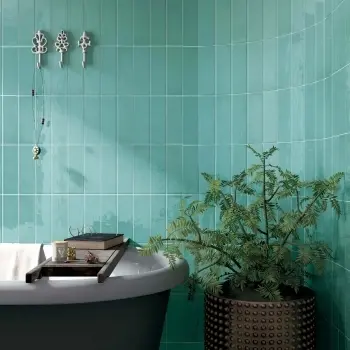
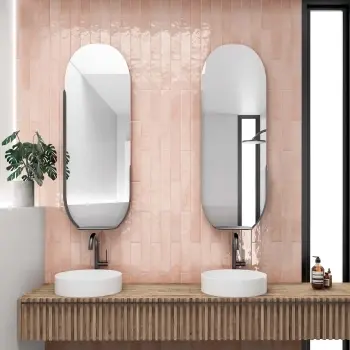
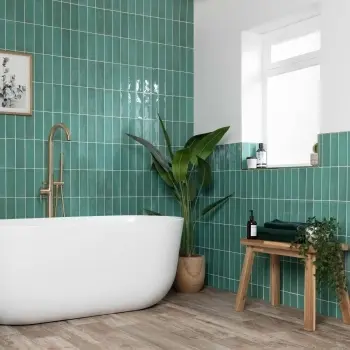
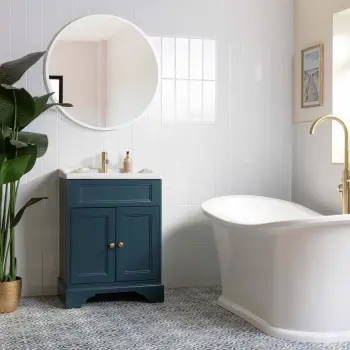
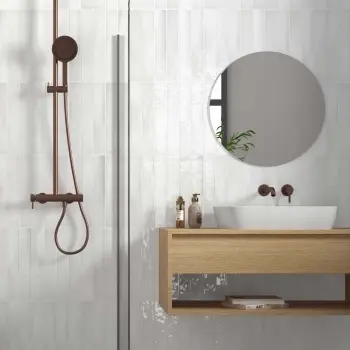
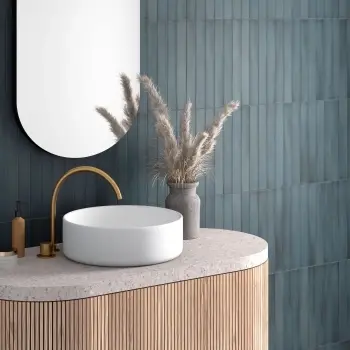
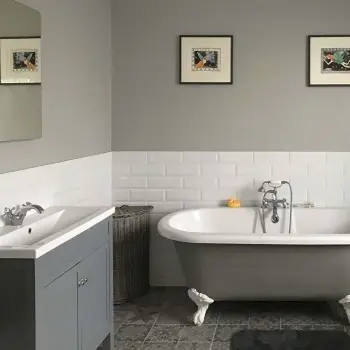
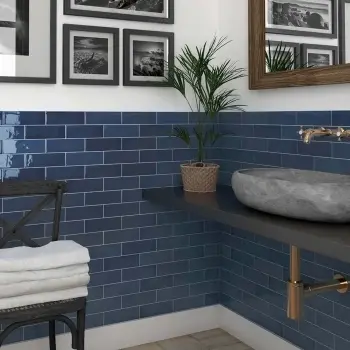
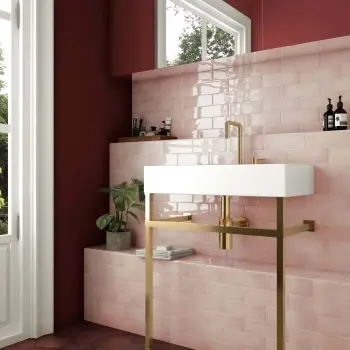
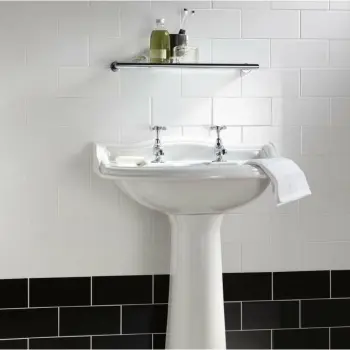
Yes, kitchen splashback tiles suit bathroom walls, particularly behind basins and vanity units where frequent water splashes occur. Glazed ceramic and porcelain tiles provide low water absorption, stain resistance and easy-clean surfaces, making them practical for humid environments. Proper adhesive selection and sealed grout joints ensure durability and long-term moisture protection in bathroom installations.
How High Should A Splashback Tiles Go?
Splashback tiles typically extend 100–200mm above a worktop for standard protection, while installations behind hobs or sinks often reach 450–750mm to guard against splashes and heat exposure. Full-height splashbacks rising to wall unit level or ceiling height create a seamless, contemporary finish. Final height depends on cooker position, wall cabinetry and overall kitchen layout design.
What Tiles Are Heat Resistant Behind a stove?
Porcelain and ceramic tiles are highly heat resistant and suitable for installation behind a stove when fixed with heat-resistant adhesive and grout. Dense kiln-fired bodies and glazed surfaces tolerate everyday cooking temperatures without warping or discolouration. Glass tiles rated for wall use also perform well. Natural stone withstands heat but requires sealing to prevent staining.
How do I Prevent Mould On Splashback Tiles?
Prevent mould on splashback tiles by reducing surface moisture, improving kitchen or bathroom ventilation and sealing grout joints to limit water absorption. Wipe down tiles after cooking or washing to remove condensation and residue. Apply mould-resistant grout and sanitary-grade silicone at joints and edges. Routine cleaning with an anti-bacterial solution helps stop spores from developing in humid areas.